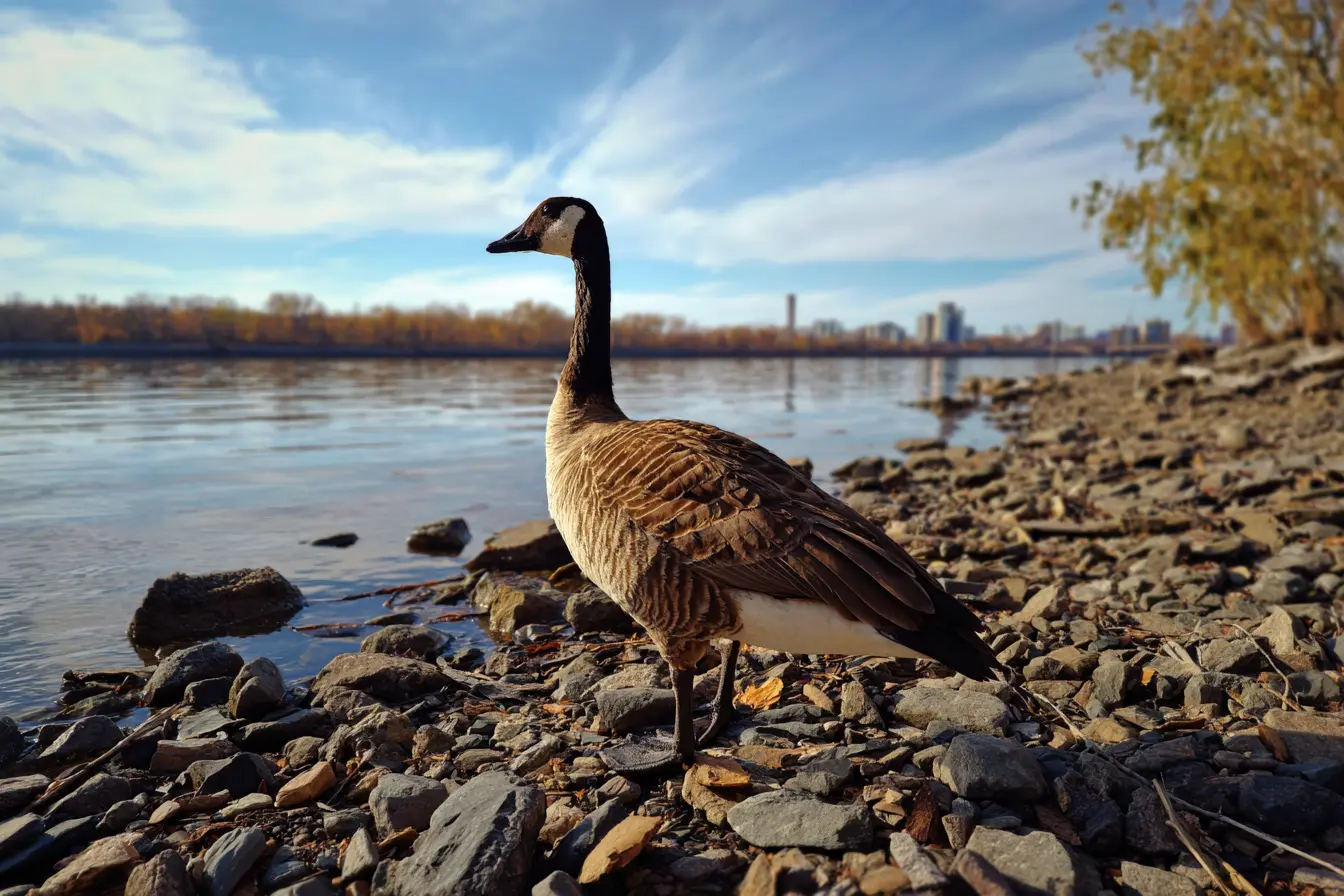
What Fruits Can Geese Eat?
Geese are often thought of as simple grazers, but they are actually omnivorous birds that enjoy a varied diet. While grass should form the majority of a goose’s food intake, fruit can be offered as an occasional treat. Fruit provides hydration, vitamins, and enrichment, but it is naturally high in sugar and should never replace a balanced diet based around grazing and appropriate waterfowl feed.
This guide explains which fruits are safe for geese, how to feed them properly, and which fruits should be avoided.
Should Geese Eat Fruit?
Geese can eat fruit, but only in small amounts. In the wild, geese may eat fallen fruit or berries when available, particularly in late summer and autumn. However, fruit is not a natural staple food for geese and should be treated as an occasional supplement.
As a general guideline, fruit should make up no more than around 5% of a goose’s overall diet.
Safe Fruits for Geese
Apples
Apples are one of the safest and most commonly fed fruits.
- Remove all seeds and cores, as apple seeds contain cyanide
- Chop into small pieces to prevent choking
- Can be fed raw or cooked (plain)
Pears
Pears are similar to apples in safety and preparation.
- Remove seeds
- Chop into manageable pieces
Berries
Most berries are suitable for geese and relatively low in sugar.
Safe berries include:
- Strawberries
- Blueberries
- Raspberries
- Blackberries
- Cranberries
Berries can be scattered to encourage natural foraging.
Grapes
Grapes are safe but must be prepared properly.
- Cut grapes in half or quarters
- Feed sparingly due to sugar content
Melon
Melon is hydrating and usually well accepted.
Safe options include:
- Watermelon
- Cantaloupe
- Honeydew
Remove large seeds and chop into small pieces. Geese may also peck at the rind.
Stone Fruits
Some stone fruits can be fed safely if prepared correctly.
Safe options include:
- Peaches
- Plums
- Apricots
- Cherries
Always remove stones and pits, as they contain toxins and pose a choking risk.
Banana
Banana can be fed occasionally.
- Remove the peel
- Offer small slices or mashed pieces
- High in sugar, so feed sparingly
Fruits Geese Should Eat Only Occasionally
Some fruits are safe but should be limited due to high sugar or acidity.
These include:
- Bananas
- Grapes
- Mango
- Pineapple
Dried fruit such as raisins or sultanas is very high in sugar and should only be fed in tiny amounts, if at all.
Fruits Geese Should Not Eat
Citrus Fruits
Citrus fruits can cause digestive upset and may interfere with calcium absorption.
Avoid feeding:
- Oranges
- Lemons
- Limes
- Grapefruit
Avocado
Avocado is toxic to geese.
- Skin, stone, and leaves contain persin
- Flesh may also be unsafe
Never feed avocado in any form.
Fruit Seeds and Stones
Many fruit seeds and stones contain toxins.
Always remove:
- Apple seeds
- Cherry stones
- Peach and plum pits
- Apricot stones
How to Feed Fruit to Geese Safely
Preparation Tips
- Wash fruit thoroughly to remove pesticides
- Remove seeds, stones, and pits
- Chop fruit into bite-sized pieces
- Never feed mouldy or spoiled fruit
Feeding Methods
- Scatter fruit on grass to encourage foraging
- Offer fruit in shallow dishes
- Mix small amounts into chopped greens
Avoid feeding fruit directly in water, as geese primarily graze and may waste food.
How Often Should Geese Eat Fruit?
Fruit should be fed:
- Occasionally, no more than once or twice a week
- In small quantities
- As a treat, not a meal
Overfeeding fruit can lead to obesity, digestive problems, and reduced overall health.
Can Goslings Eat Fruit?
Goslings can eat fruit in very small amounts once they are several weeks old.
Guidelines include:
- Finely chopped or mashed fruit
- Introduce gradually
- Avoid citrus and very sugary fruits
- Ensure grass and starter feed remain the main diet
Fruit should be a rare treat for goslings.
Does Fruit Affect Goose Egg Laying?
Excessive fruit intake can dilute essential nutrients needed for egg production. While small amounts of fruit will not harm laying, too much can reduce protein intake and negatively affect egg numbers and shell quality.
Maintaining a grass-based diet with appropriate supplementation is far more important than fruit intake.
Common Mistakes to Avoid
- Feeding fruit instead of grass or balanced feed
- Offering large chunks that can cause choking
- Feeding avocado or citrus fruits
- Leaving fruit to spoil in grazing areas
Summary: Fruit and Geese
- Fruit is safe as an occasional treat
- Always remove seeds and stones
- Avoid citrus and avocado completely
- Keep fruit intake very limited
- Grass should remain the main food source
Conclusion
Fruit can be a safe and enriching addition to a goose’s diet when fed occasionally and prepared properly. Geese thrive best on grass, supported by appropriate waterfowl feed and clean water. When offered in moderation, fruit can provide variety and enrichment without compromising health, digestion, or natural grazing behaviour.
Vets near you
Speciality vets
- Aquatics vet specialists
- Birds vet specialists
- Camelids vet specialists
- Cats vet specialists
- Cattle vet specialists
- Deer vet specialists
- Dogs vet specialists
- Equines vet specialists
- Exotic vet specialists
- Goats vet specialists
- Pigs vet specialists
- Poultry vet specialists
- Sheep vet specialists
- Small Mammals vet specialists
- Wild vet specialists
Vet facilities
- Accessible by public transport
- Blood testing
- Car park nearby
- Client car park
- Dentistry
- Diagnostic imaging
- Disabled public access
- Flea and worm treatments
- Microchipping
- Mobile services
- Neutering
- Open at weekends
- Out-of-hours service
- Referral interests
- Referrals only
- Street parking outside
- Toilets available
- Vaccinations