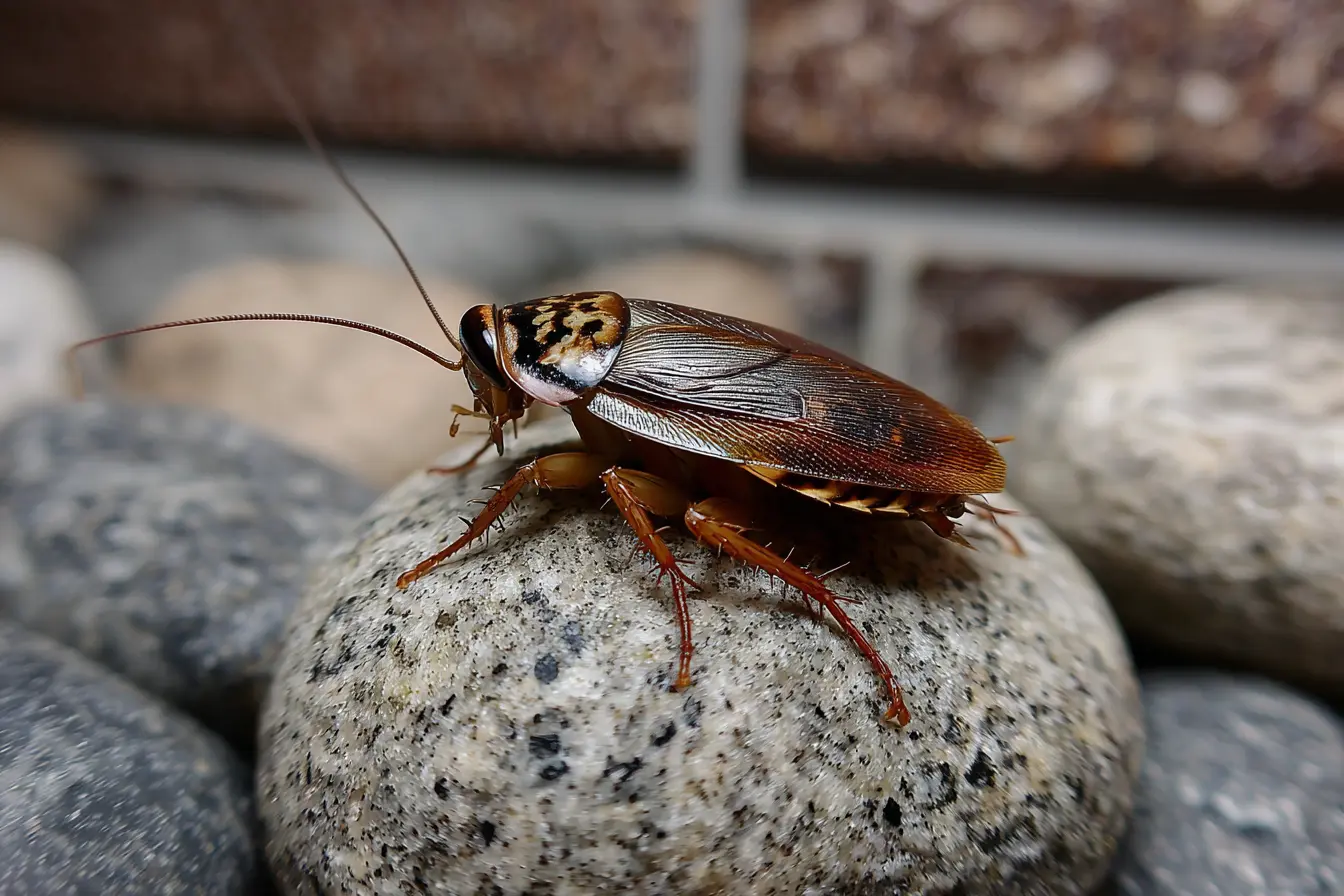
The lobster roach (Nauphoeta cinerea) is a fast-moving, highly reproductive cockroach species commonly kept as a feeder insect—but it also makes an interesting pet for invertebrate enthusiasts. Named for its reddish-brown colouration and scuttling gait that resembles a miniature crustacean, the lobster roach is a hardy, low-maintenance species ideal for both beginners and seasoned keepers.
In this care guide, we'll cover everything you need to know about keeping, breeding, and caring for Nauphoeta cinerea in captivity.
What is a Lobster Roach?
Originally from tropical Africa and now widespread due to its popularity in the pet trade, the lobster roach belongs to the Blaberidae family. It's widely used as a feeder for reptiles, amphibians, and invertebrates due to its high nutritional value, ease of breeding, and inability to climb smooth surfaces (a huge bonus for containment).
Key Characteristics:
- Scientific name: Nauphoeta cinerea
- Size: 2–3.5 cm (0.8–1.4 inches)
- Lifespan: 12–18 months
- Appearance: Reddish-brown body with a flattened profile and long antennae
- Wings: Present in both sexes; males may flutter but rarely fly
- Temperament: Skittish, fast, and not ideal for handling
Although not flashy, the lobster roach is prized for its ease of care and impressive breeding capacity.
Enclosure Setup
Tank Size
A plastic tub or glass terrarium of 30–60 litres can house a thriving colony. Ensure a secure, ventilated lid is in place—especially if you have other pets that might be curious.
Ventilation
Good airflow is crucial to prevent mould and unpleasant odours. Drill mesh-covered holes in plastic tubs or use a mesh-top terrarium lid.
Substrate
Substrate is optional but beneficial if you're breeding long-term.
- No substrate: Easier to clean, especially for feeder colonies
- Coconut coir or topsoil: If using substrate for more natural setups
- Egg crate stack: Maximises surface area and hiding places
Regardless of substrate, clean and dry conditions are essential.
Hides and Structure
Lobster roaches are thigmotactic—they love tight, dark spaces.
- Egg cartons (cut and stacked)
- Cardboard tubes
- Corrugated cardboard
- Bark slabs (for naturalistic enclosures)
Stack hides vertically to increase floor space.
Temperature and Humidity
Warmth is essential for health and breeding.
- Temperature: 28–32°C (82–90°F) ideal; breeding slows below 25°C
- Humidity: 40–60%, with occasional misting if conditions are too dry
Use a heat mat on one side or beneath the enclosure, controlled by a thermostat. Mist lightly to avoid desiccation, especially in dry climates.
Diet and Feeding
Lobster roaches are omnivorous and enjoy a varied diet.
Vegetables:
- Carrot
- Squash
- Sweetcorn
- Greens (e.g., kale or romaine)
Fruits:
- Apple
- Banana
- Orange
- Grapes
Protein:
- Fish flakes
- Dog or cat kibble (sparingly)
- Commercial roach chow
- Cooked egg (occasional)
Feed small amounts every few days. Remove uneaten fresh food within 24 hours to prevent mould and pests.
Water
Hydration is critical, especially for breeding colonies.
- Water crystals (safe and easy to manage)
- Moist fruit and vegetables (help supplement hydration)
- Avoid open water bowls—roaches can drown
Handling and Behaviour
Lobster roaches are incredibly fast and prefer to avoid light and contact.
Tips for Interaction:
- Best observed, not handled
- Use a cup or scoop to move individuals
- Chilling them briefly (5 minutes in a fridge) can slow them for safe transfer
They are nocturnal and highly active at night.
Breeding and Colony Management
Breeding is where lobster roaches shine—they reproduce quickly and reliably in good conditions.
Reproduction Facts:
- Ovoviviparous: Internal gestation of ootheca (egg case)
- Gestation: ~30 days
- Nymphs: Born live, around 20–40 per batch
- Maturity: 6–8 weeks
Colony Tips:
- Start with 20–50 individuals for sustainability
- Maintain warmth and protein-rich diet for faster reproduction
- Separate feeder-size nymphs into a grow-out tub if needed
Colonies can double in size every few months in optimal conditions.
Cleaning and Maintenance
Cleanliness supports health and minimises odours.
Cleaning Routine:
- Daily: Check for mould, remove old food
- Weekly: Replace water crystals or sponge, spot clean
- Monthly: Deep clean enclosure, replace or sanitise hides
If using no substrate, cleaning is faster and easier. Substrate users may need to replace it every 4–6 weeks.
Health and Common Issues
Lobster roaches are resilient, but poor husbandry can lead to problems.
- Dehydration: Lethargy, poor moults, or death
- Mites: Introduced via dirty food or high humidity
- Odour: Caused by spoiled food or overcrowding
- Escapes: Ensure enclosure is escape-proof, especially around lids and vents
Maintain good hygiene and environmental stability to avoid issues.
Pros and Cons
Pros:
- Easy to breed and care for
- Excellent feeder species
- Cannot climb smooth plastic or glass
- Fast-growing and highly productive
- Hardy and adaptable
Cons:
- Very fast and difficult to handle
- Not ideal as a display species
- May trigger phobias in some people
- High reproductive rate requires management
Final Thoughts
The lobster roach may not win beauty contests, but its usefulness, ease of care, and robust nature make it a staple in the exotic pet hobby. Whether you're breeding feeders for reptiles or simply want to observe the behaviour of a fascinating colony insect, Nauphoeta cinerea delivers.
If you're looking for a low-cost, low-maintenance, and highly efficient colony species, the lobster roach is a top contender. Just be prepared for their speed—they're named after lobsters for a reason!
Quick questions
- What should I know about lobster roach?
- The lobster roach (*Nauphoeta cinerea*) is a reddish-brown cockroach species popular as a feeder insect and pet. This species is easy to care for, making it suitable for beginners and experienced keepers. Native to tropical. Vet Verified can help you compare UK veterinary practices by location, species, services and opening hours before you call.
- When should I contact a vet about lobster roach?
- Contact a veterinary practice if your pet seems unwell, symptoms are getting worse, you are unsure what to do, or the situation may be urgent. Vet Verified helps you compare practice details, but a vet should advise on your pet's current care.
- Can Vet Verified help me find dog vets?
- Yes. Use Vet Verified to compare dog vets across the UK, then check practice profiles and call directly to confirm current availability.
Find a vet
Need a vet for this?
Use Vet Verified to compare UK veterinary practices that match this topic, then call the practice directly to confirm current services and availability.
Search by species
- Dog vets Find UK veterinary practices that list care for dogs. Compare RCVS-checked listings, opening hours, contact details and verified practice profiles.
- Cat vets Find UK veterinary practices that list care for cats. Compare RCVS-checked listings, opening hours, contact details and verified practice profiles.
- Exotic vets Find UK veterinary practices that list exotic pet care. Compare practice profiles, opening hours, contact details and verification signals.