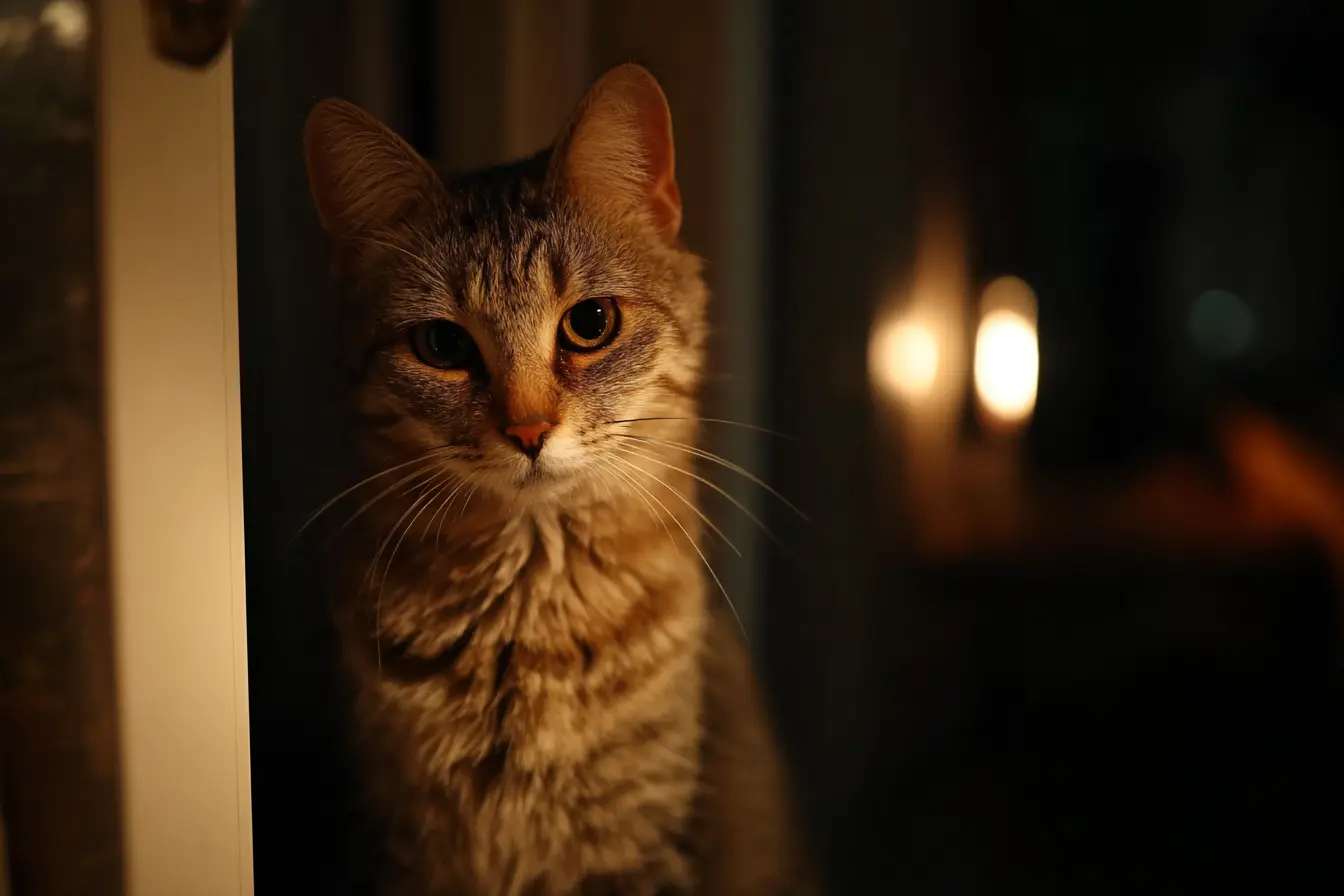
How to Help a Cat That Is Scared of Fireworks
For many cats, fireworks are not a spectacle to admire but a deeply unsettling experience. The sudden explosions, high-pitched whistles and flashing lights can trigger intense fear responses, particularly in animals that rely on predictability and control to feel safe. While some cats appear indifferent, others may hide for hours, stop eating or develop stress-related health issues.
Understanding how to prepare, respond and support your cat can make a significant difference during firework season.
Why Fireworks Are So Distressing for Cats
Cats have highly sensitive hearing, capable of detecting frequencies and volumes far beyond human range. Fireworks are:
- Loud
- Sudden
- Unpredictable
- Accompanied by vibrations
- Often paired with flashing light
Because cats cannot locate or control the source of the noise, it can feel like a threat within their territory. For a species that values stability and environmental control, this unpredictability is particularly stressful.
Repeated exposure without support can increase sensitivity over time.
Signs Your Cat Is Afraid of Fireworks
Cats tend to express fear in subtle ways. You may notice:
- Hiding under furniture or in cupboards
- Dilated pupils
- Flattened ears
- Trembling
- Refusing food
- Increased vocalisation
- Clinginess or, conversely, avoidance
- Inappropriate urination
Some cats may remain hidden long after the noise has stopped. Others may develop stress-related conditions, such as gastrointestinal upset or urinary inflammation, following repeated exposure.
Recognising these signs early allows you to intervene appropriately.
Preparing Before Fireworks Begin
Preparation is one of the most effective ways to reduce distress.
Create a Safe Indoor Environment
Ensure your cat is indoors before fireworks are likely to start. Even cats that usually roam outside should be kept in during peak firework periods to prevent panic-driven escape or injury.
Provide access to a secure, quiet room with:
- Curtains or blinds closed
- Soft bedding
- Familiar scents
- Litter tray, food and water nearby
Cats feel safer when they have control over where they hide, so allow access to preferred hiding spots rather than blocking them off.
Reduce External Stimuli
Close windows and curtains to minimise sound and flashing lights. Playing soft background noise, such as television or calm music, can help mask sudden bangs.
Maintaining a normal household routine also signals that there is no immediate danger.
What to Do During Fireworks
When fireworks begin, your role is to provide stability rather than force reassurance.
Let Your Cat Choose
Some cats want to hide; others may stay nearby. Allow them to decide. Forcing interaction or pulling a cat out of hiding can increase fear.
Stay Calm
Cats are highly attuned to subtle changes in human behaviour. Acting anxious or overly attentive can reinforce the perception that something is wrong. Move normally, speak softly and avoid reacting dramatically to loud noises.
Offer Gentle Comfort if Sought
If your cat approaches you for reassurance, calm stroking and quiet presence can help. Comforting a frightened cat does not “reward” fear; it provides safety.
Avoid Punishment
Never scold a cat for hiding, vocalising or toileting outside the litter tray during a stressful event. These behaviours are stress responses, not misbehaviour.
Long-Term Strategies to Reduce Firework Fear
If your cat reacts strongly each year, consider a proactive approach rather than waiting for the next event.
Gradual Desensitisation
In some cases, playing low-volume recordings of firework sounds while offering treats or play can help create more neutral associations. The sound should be barely audible at first, and progression must be slow and controlled.
Not all cats tolerate this approach, so observe carefully for signs of stress.
Strengthen Environmental Security
Increasing your cat’s overall sense of safety can improve resilience. This includes:
- Providing vertical spaces such as shelves or cat trees
- Ensuring multiple resting spots
- Maintaining predictable feeding times
- Minimising household conflict
A confident cat is better able to cope with temporary stressors.
Use Pheromone Support
Synthetic feline pheromone diffusers may help create a sense of familiarity and calm. These are most effective when started in advance of firework season rather than on the night itself.
Veterinary Advice and Medication
If your cat:
- Stops eating during fireworks
- Develops urinary problems after loud events
- Hides for prolonged periods
- Shows escalating fear each year
consult your vet before the next firework season. In some cases, short-term anti-anxiety medication may be appropriate to reduce acute distress.
Early intervention often prevents phobias from worsening.
Special Considerations for Outdoor Cats
Cats that usually have outdoor access may become distressed if confined suddenly. Gradually increasing indoor time before firework season can ease the transition.
Ensure microchip details are up to date in case a frightened cat escapes.
When Fear Becomes a Health Concern
Chronic stress can contribute to medical problems, particularly feline idiopathic cystitis, gastrointestinal disturbances and appetite loss. If your cat shows ongoing changes in eating, toileting or behaviour after fireworks, veterinary assessment is essential.
Cats that stop eating for more than 24 hours require prompt attention, as prolonged fasting can lead to serious complications.
Conclusion
Firework fear in cats is common and often underestimated. Because cats tend to hide distress rather than display it openly, their anxiety can go unnoticed until behavioural or health changes appear. By preparing in advance, creating a secure environment and responding calmly, you can significantly reduce your cat’s stress during loud events.
For cats with more severe reactions, long-term behavioural strategies and veterinary support provide additional tools. With patience, predictability and thoughtful management, even sensitive cats can navigate firework season with greater confidence and comfort.
Vets near you
Speciality vets
- Aquatics vet specialists
- Birds vet specialists
- Camelids vet specialists
- Cats vet specialists
- Cattle vet specialists
- Deer vet specialists
- Dogs vet specialists
- Equines vet specialists
- Exotic vet specialists
- Goats vet specialists
- Pigs vet specialists
- Poultry vet specialists
- Sheep vet specialists
- Small Mammals vet specialists
- Wild vet specialists
Vet facilities
- Accessible by public transport
- Blood testing
- Car park nearby
- Client car park
- Dentistry
- Diagnostic imaging
- Disabled public access
- Flea and worm treatments
- Microchipping
- Mobile services
- Neutering
- Open at weekends
- Out-of-hours service
- Referral interests
- Referrals only
- Street parking outside
- Toilets available
- Vaccinations