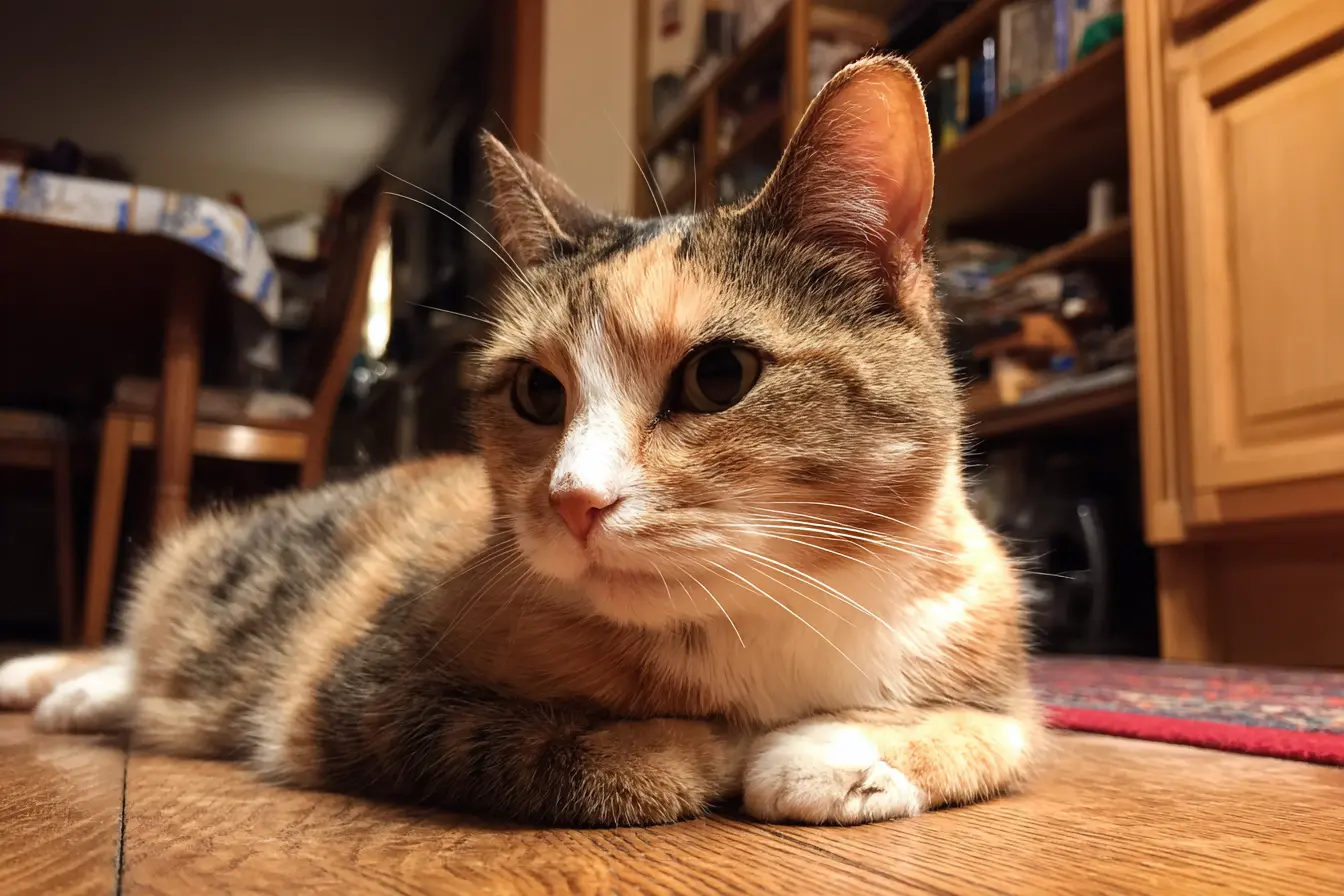
It is not the most glamorous topic, but many cat owners have quietly wondered the same thing: do cats fart?
The short answer is yes. Cats can and do pass wind. However, compared to humans and dogs, it tends to happen less often and is usually far less noticeable.
If you have never heard your cat break wind, that is perfectly normal. But if you suddenly notice a strong smell or frequent gas, it may be worth paying attention.
Do Cats Actually Pass Wind?
Yes, cats produce intestinal gas just like other mammals.
Gas forms in the digestive system as a natural by-product of:
- Swallowed air during eating
- The breakdown of food in the stomach and intestines
- Bacterial fermentation in the gut
In most healthy cats, small amounts of gas pass silently and without smell. You are unlikely to notice it at all.
Cats do not usually produce the dramatic, noisy flatulence more commonly associated with dogs.
Why You Rarely Notice It
There are several reasons cat farts often go undetected.
Their Diet Is Highly Digestible
Cats are obligate carnivores. Their digestive systems are designed to process animal protein efficiently. A meat-based diet typically produces less fermentable waste in the intestines compared to high-fibre or plant-heavy diets.
Less fermentation generally means less gas.
Small Body Size
Cats have relatively small digestive tracts compared to larger animals. Even when gas is produced, the volume is usually small.
Silent Release
When cats do pass wind, it is typically silent. Most owners only become aware of it if there is an accompanying smell.
What Causes Smelly Cat Farts?
Occasional mild odour is not usually a cause for concern. However, strong or frequent flatulence may indicate an underlying issue.
Common causes include:
Dietary Changes
Sudden changes in food can disrupt the balance of gut bacteria. When new ingredients are introduced too quickly, fermentation may increase, leading to gas.
If you are switching foods, do so gradually over 7–10 days.
Food Intolerance or Sensitivity
Some cats are sensitive to certain proteins, dairy products, grains or additives. Food intolerance can lead to:
- Excess gas
- Loose stools
- Vomiting
- Skin irritation
If symptoms persist, a vet may recommend a limited ingredient or hypoallergenic diet.
Eating Too Quickly
Cats that eat rapidly may swallow excess air, which can contribute to gas build-up. This is more common in multi-cat households where there is competition at feeding time.
Slow-feeding bowls or spreading meals into smaller portions may help.
Poor-Quality Diet
Lower-quality foods containing fillers or difficult-to-digest ingredients may increase fermentation in the gut.
Feeding a high-quality, protein-rich diet suited to your cat’s life stage can reduce digestive upset.
Gastrointestinal Issues
Persistent or severe flatulence may signal:
- Parasites
- Inflammatory bowel disease
- Bacterial imbalance
- Pancreatic problems
If gas is accompanied by lethargy, weight loss, ongoing diarrhoea or vomiting, veterinary advice is important.
Are Kitten Farts Normal?
Yes, kittens can pass wind too.
In young kittens, gas may be linked to:
- Sudden diet changes
- Transitioning from milk to solid food
- Intestinal parasites
Because kittens have developing digestive systems, mild digestive upset can be more common during early life.
However, frequent diarrhoea, bloating or discomfort should always be checked by a vet.
When Should You Be Concerned?
Occasional flatulence on its own is rarely serious.
You should seek veterinary advice if your cat has:
- Frequent or persistent gas
- Noticeably foul-smelling flatulence
- Diarrhoea lasting more than a day or two
- Vomiting
- A swollen or painful abdomen
- Changes in appetite
- Unexplained weight loss
Sudden abdominal swelling combined with distress or retching can indicate a medical emergency, although this is rare in cats.
If in doubt, it is always safest to consult your vet.
Can You Prevent Excess Gas in Cats?
In many cases, yes.
Practical steps include:
- Feeding a high-quality, balanced diet
- Introducing new foods gradually
- Avoiding dairy unless specifically advised
- Ensuring regular worming treatment
- Reducing stress around feeding times
- Monitoring portion sizes
If your cat is prone to digestive issues, your vet may suggest a sensitive digestion formula or probiotic supplement.
Do Cats Make Noise When They Fart?
It is uncommon, but possible.
Most feline flatulence is silent because of the small volume of gas and the structure of their digestive system. If you do hear a noise, it may be subtle.
More often, owners simply notice an unexpected smell and look suspiciously at their cat.
Conclusion
In healthy cats, flatulence is typically infrequent, mild and barely noticeable. Strong smells, frequent gas or accompanying digestive symptoms, however, may point to dietary intolerance or an underlying issue.
As with most aspects of feline health, sudden changes are worth paying attention to. If your cat seems otherwise happy, active and eating well, the occasional unpleasant odour is unlikely to be a problem.
Sometimes, even the most dignified companion has very ordinary bodily functions.
Quick questions
- What should I know about cat flatulence?
- Yes, cats do fart, but it is less common and usually less noticeable than in humans and dogs. Most cat farts are silent and without smell due to their highly digestible meat-based diet. Smelly or frequent gas can point to issues. Vet Verified can help you compare UK veterinary practices by location, species, services and opening hours before you call.
- When should I contact a vet about cat flatulence?
- Contact a veterinary practice if your pet seems unwell, symptoms are getting worse, you are unsure what to do, or the situation may be urgent. Vet Verified helps you compare practice details, but a vet should advise on your pet's current care.
- Can Vet Verified help me find dog vets?
- Yes. Use Vet Verified to compare dog vets across the UK, then check practice profiles and call directly to confirm current availability.
Find a vet
Need a vet for this?
Use Vet Verified to compare UK veterinary practices that match this topic, then call the practice directly to confirm current services and availability.
Search by species
- Dog vets Find UK veterinary practices that list care for dogs. Compare RCVS-checked listings, opening hours, contact details and verified practice profiles.
- Cat vets Find UK veterinary practices that list care for cats. Compare RCVS-checked listings, opening hours, contact details and verified practice profiles.